
Client Story - 1890’s Olympia House
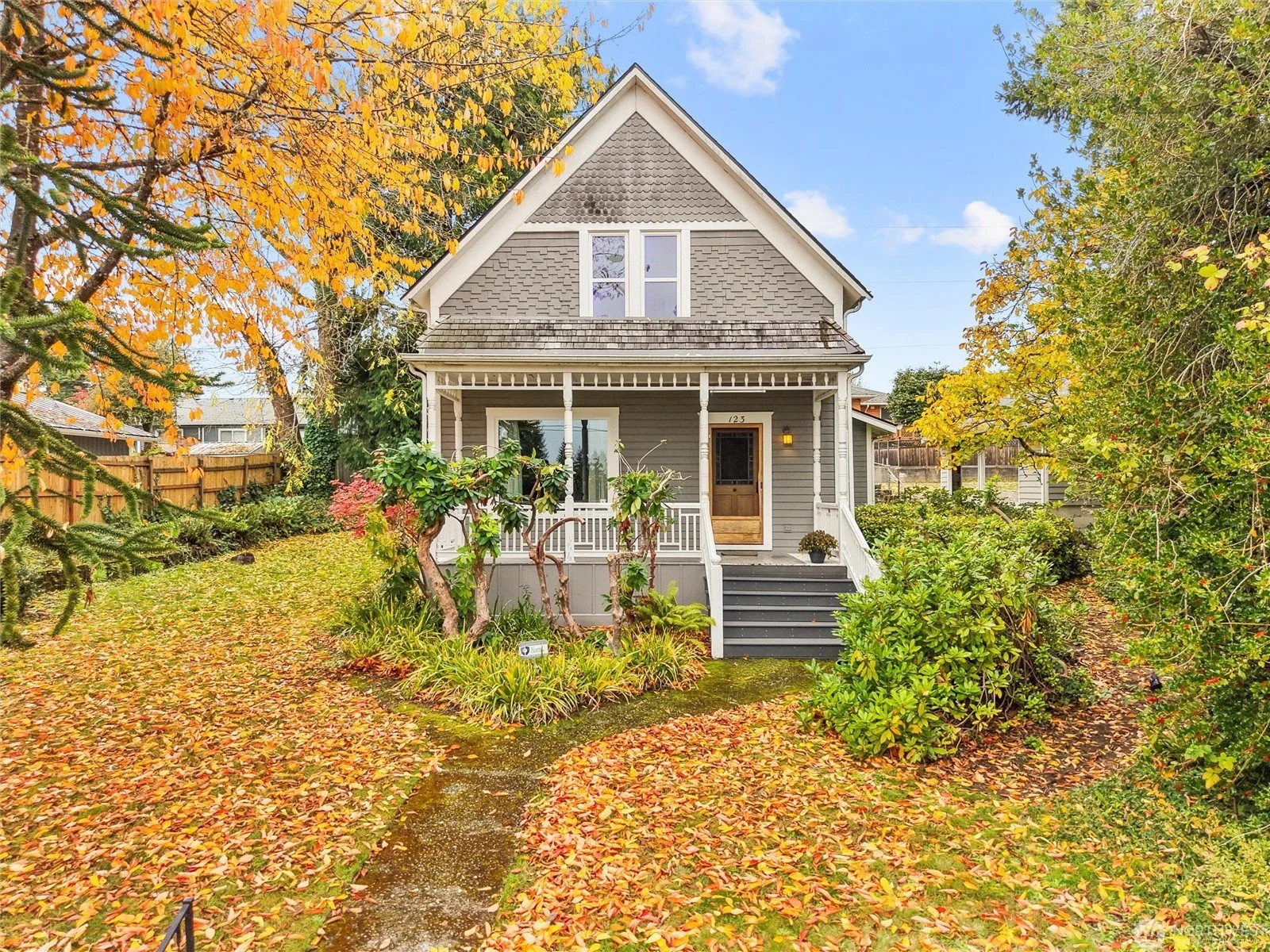
WUERDEMANN PURCHASE
When wanting move-in ready becomes craving the historic house that needs a bit of everything.
My good friends bought a house in Lakewood when they PCSed to WA years ago (that’s actually how we met), but as a military career wound down, life and work began to center around Olympia. It was time to move south. We’re friends, we’ve worked together before, so they knew exactly where to go from there. They shared their budget and started ticking off their list of must haves and wants including a move-in ready home within walking distance to Downtown Olympia.
We signed our buyer brokerage service agreement and got busy. I’m honestly not sure how long we looked or how many houses we toured, but the full process took over a year. We weren’t in a hurry or working on a specific timeline. We all knew that this was going to be a forever home, so the right home with the right feeling was more important than anything else.
Over time, it became apparent that every box would not be checked in the perfect location and within the perfect budget, so we did what we often do and expanded the search. We looked in different areas, at different home types, and at homes in different states of disrepair. We talked and talked about the pros and cons of each and every variable and finally accepted that location really was the primary priority. That brought us back to a home built in 1890 that we had dismissed months ago.
The downsides? It needed everything, and the seller was unwilling to accept a VA offer due to the condition of the home. They and their agent were worried that a VA appraisal would cause issues and kill the sale, but a VA loan offered my clients a lower interest rate, a lower down payment requirement, and the ability to close on their new house before selling their Lakewood house. They just couldn’t swing it with a conventional loan, and a VA rehab loan was doable but more expensive. The seller refused my clients’ first VA offer, so I dug in and went to bat because the upsides were that my clients loved the home, and it had been on the market for a long time without interest. There was the opportunity for everyone to win.
Over a two week period, I strategized with the lender, pulled data and sources to share, and spoke with the listing agent. I shared why my clients hoped to buy the house with a strait VA loan, how we planned to address potential issues, how the buyer was prepared to waive VA appraisal conditions through the VA, and exactly how we would pivot to a VA rehab loan fully prepared to close it quickly if necessary. I also shared my research and sources and was transparent and open. We acknowledged the seller’s risk, told them that we were prepared to meet them and mitigate risk, and asked them to take a chance with us.
I’ll be real, it would take too long to get into all the intricacies of the research, the plans, and all the conversations here (but if you’d like more details on VA loans, VA rehab loans, hit me up), so let’s skip to the good part. The seller decided to give it a try, we formed a contract, and the longest inspection contingency and negotiation period in my career commenced. We negotiated a total of 4 inspection contingency extensions and ended up with a full 54 days of the inspection contingency. During that time, I was at the house for untold hours at least 2 to 3 times each week, and we collected estimates to repair and remodel everything, literally everything.
The final result was a $52,000 price reduction to help cover necessary repairs (partly in price, partly in seller concessions made possible by the VA loan), a closed sale, an estate that was able to move on, and my clients walking into a place that already felt like home and would grow with them.
It took so much time, but it was so worth it. It’s also important to note that I couldn’t have done this alone. It took collaboration from the listing agent who was looking out for the seller’s best interest while working with me to problem solve and find solutions. We each wanted to help the seller and buyers find a way to closing while keeping our own clients needs our top priority. Working for different parties that wanted different things didn’t mean that we had to be adversarial. Putting our heads together and showing mutual respect while we each guarded our clients interests made this all possible. It’s cases like this that really highlight the need for caring, knowledgeable, and tenacious professionals on BOTH sides of real estate transactions. This career doesn’t give much grace for anyone wanting an easy path or simple, prescribed solutions.